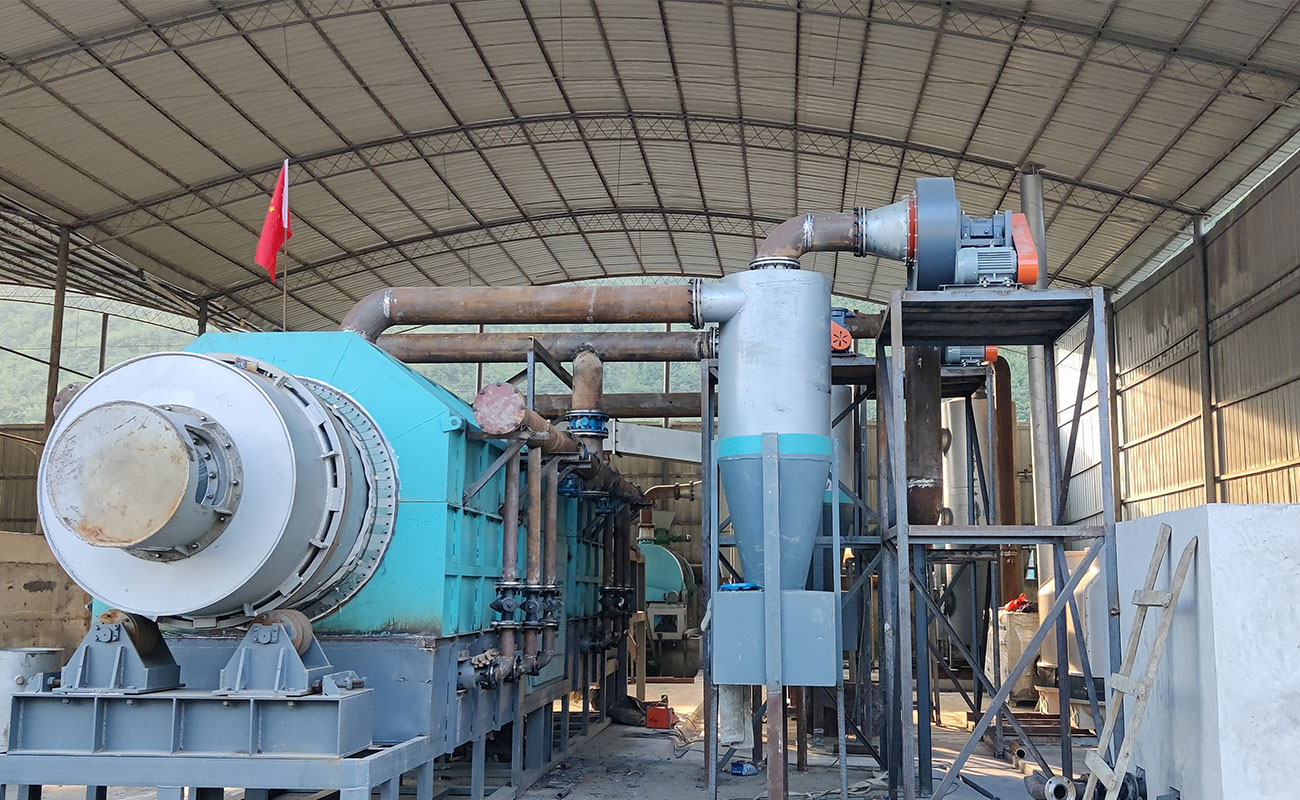
Biochar, a byproduct of pyrolysis, has gained significant attention due to its potential to sequester carbon, enhance soil fertility, and provide a renewable energy source. As the global push for sustainability intensifies, the demand for biochar production equipment is set to increase. Technological innovations and market growth are driving the next generation of biochar production equipment, offering solutions that not only improve efficiency but also meet environmental standards. This article explores the future of biochar production equipment, focusing on technological advancements and the market outlook.
Innovations in Charcoal Making Machines
One of the key drivers of biochar production’s future is the continuous innovation in charcoal making machine technology. Traditional charcoal making machines, primarily used in the production of wood charcoal, have been enhanced to improve efficiency and reduce environmental impact. The latest designs focus on increasing the energy recovery during the pyrolysis process, ensuring that excess heat can be used to power the equipment, thus reducing overall energy consumption.
In addition, modern charcoal making machines come equipped with more advanced automated systems that regulate the temperature and pressure of the pyrolysis chamber, which results in more consistent and higher-quality biochar. These innovations are essential for meeting growing demands in agricultural sectors that rely on biochar as a soil conditioner and carbon sequestration medium.
Wood Charcoal Making Machines: Sustainable and Efficient Design
Wood charcoal making machine continues to evolve with an emphasis on producing high-quality biochar from various wood feedstocks. These machines now integrate more efficient carbonization processes that enable faster pyrolysis, reducing operational costs and increasing production volume. The energy efficiency of these machines is also being improved through the incorporation of heat recovery systems, which capture and recycle excess energy to power the machine’s operations.
The increasing demand for sustainable biochar has led to wood charcoal making machines being used not only in traditional charcoal production but also for larger-scale biochar manufacturing. This shift reflects a growing awareness of biochar’s role in combating climate change, particularly as a means to enhance soil health and capture carbon from the atmosphere. As wood-based biochar production technology improves, it becomes an increasingly important tool for industries focused on sustainability.
Rice Husk Charcoal Making Machines: Harnessing Agricultural Waste
Rice husk, an abundant agricultural byproduct, is emerging as a valuable feedstock for biochar production. The rice husk charcoal making machine has seen significant technological advancements that enhance its ability to efficiently process this waste material. Rice husks are often underutilized, but with advancements in pyrolysis technology, they can now be converted into high-quality biochar that can improve soil quality and serve as a sustainable energy source.
The rice husk charcoal making machine’s ability to efficiently convert agricultural waste into biochar makes it an attractive option for rural and agricultural regions. Moreover, the pyrolysis of rice husks reduces the environmental impact of open-field burning, a common waste disposal practice in many rice-producing countries. As rice husk becomes a key feedstock for biochar production, these machines are likely to become increasingly popular in regions with large-scale rice production.

The Rise of BBQ Charcoal Making Machines
The BBQ charcoal making machine is another area seeing technological progress. This equipment, traditionally used for the production of charcoal for grilling purposes, is being adapted for larger-scale biochar production. Modern BBQ charcoal making machines focus on efficiency and environmental sustainability, utilizing renewable resources such as coconut shells, agricultural residues, and other biomass materials.
The demand for BBQ charcoal is not only driven by consumer preferences for environmentally friendly grilling options but also by the increasing use of charcoal as a renewable energy source. Innovations in BBQ charcoal making machines allow for more rapid production of high-quality charcoal while minimizing smoke emissions and reducing carbon footprints. As biochar’s market expands, BBQ charcoal making machines will likely be repurposed for industrial biochar production, further driving the growth of sustainable energy solutions.

Market Growth and Future Opportunities
The global market for biochar production equipment is experiencing significant growth. As more industries recognize the benefits of biochar for carbon sequestration, soil enhancement, and waste management, the demand for efficient biochar production machines will continue to rise. The biochar market is expected to grow at a compound annual growth rate (CAGR) of 15% over the next five years, with increasing adoption in agriculture, waste management, and renewable energy sectors.
Charcoal making machine manufacturers are responding to this demand by investing in research and development to improve the efficiency, versatility, and scalability of biochar production equipment. As feedstocks such as wood, rice husks, and agricultural waste become more widely available, these machines will be able to process a broader range of materials, contributing to the growth of a circular economy. The integration of heat recovery systems, automated controls, and more efficient pyrolysis processes will be key to ensuring that biochar production remains a cost-effective and environmentally responsible industry.
Conclusion
The future of biochar production equipment is shaped by technological advancements and the expanding market for biochar as a renewable resource. Innovations in wood charcoal making machines, rice husk charcoal making machines, and BBQ charcoal making machines are driving the industry toward more efficient, sustainable, and scalable biochar production. As the demand for biochar increases, these technologies will continue to evolve, offering new opportunities for businesses and industries focused on sustainability. The biochar production sector holds tremendous potential for growth, positioning itself as a key player in the global transition to a more sustainable and circular economy.