Oil sludge is one of the most challenging by-products generated by petroleum extraction, storage, and refining activities. This sticky mixture of hydrocarbons, water, heavy metals, and sediments poses serious environmental risks if it is not treated properly. Improper disposal can contaminate soil, groundwater, and nearby ecosystems for decades. As environmental regulations tighten across the globe, industries are searching for cleaner and more efficient treatment solutions. Modern thermal technologies have emerged as a powerful option for converting hazardous sludge into reusable resources while minimizing environmental impact.
Among the most promising technologies is thermal desorption and pyrolysis. These systems use controlled heating to separate hydrocarbons from solid waste, allowing valuable oil to be recovered while significantly reducing the volume of hazardous material. Industrial facilities increasingly adopt these solutions not only to meet regulatory compliance but also to recover energy and improve operational sustainability. As a result, advanced thermal treatment equipment has become a key component of modern waste management strategies in the petroleum industry.
Understanding the Technology Behind Thermal Desorption
Thermal desorption is a process that uses heat to volatilize contaminants from solid materials. In oil sludge treatment, the sludge is heated in an oxygen-limited environment so that hydrocarbons evaporate without combustion. The vaporized hydrocarbons are then condensed and collected as usable fuel oil. This process dramatically reduces the toxicity and volume of the remaining solid residue.
Modern systems such as the thermal desorption unit are designed with precise temperature control and continuous feeding mechanisms. These features allow operators to treat different types of oil sludge efficiently, including tank bottom sludge, drilling waste, and refinery residues. By carefully controlling the heating temperature, the system ensures maximum oil recovery while preventing secondary pollution. The recovered oil can often be reused as industrial fuel, creating economic value from what was once considered hazardous waste.
Another important advantage of this technology is its ability to operate in a closed system. Gas emissions are captured and treated before release, ensuring compliance with environmental standards. This closed-loop design reduces odor, prevents toxic emissions, and enhances overall workplace safety.
Why Pyrolysis Is Effective for Oil Sludge Treatment
Pyrolysis is closely related to thermal desorption but typically occurs at higher temperatures and can further break down complex hydrocarbons into smaller molecules. In the context of sludge management, pyrolysis technology converts oily waste into three useful products: fuel oil, combustible gas, and solid residue. Each of these outputs can be reused or safely managed, dramatically reducing waste disposal costs.
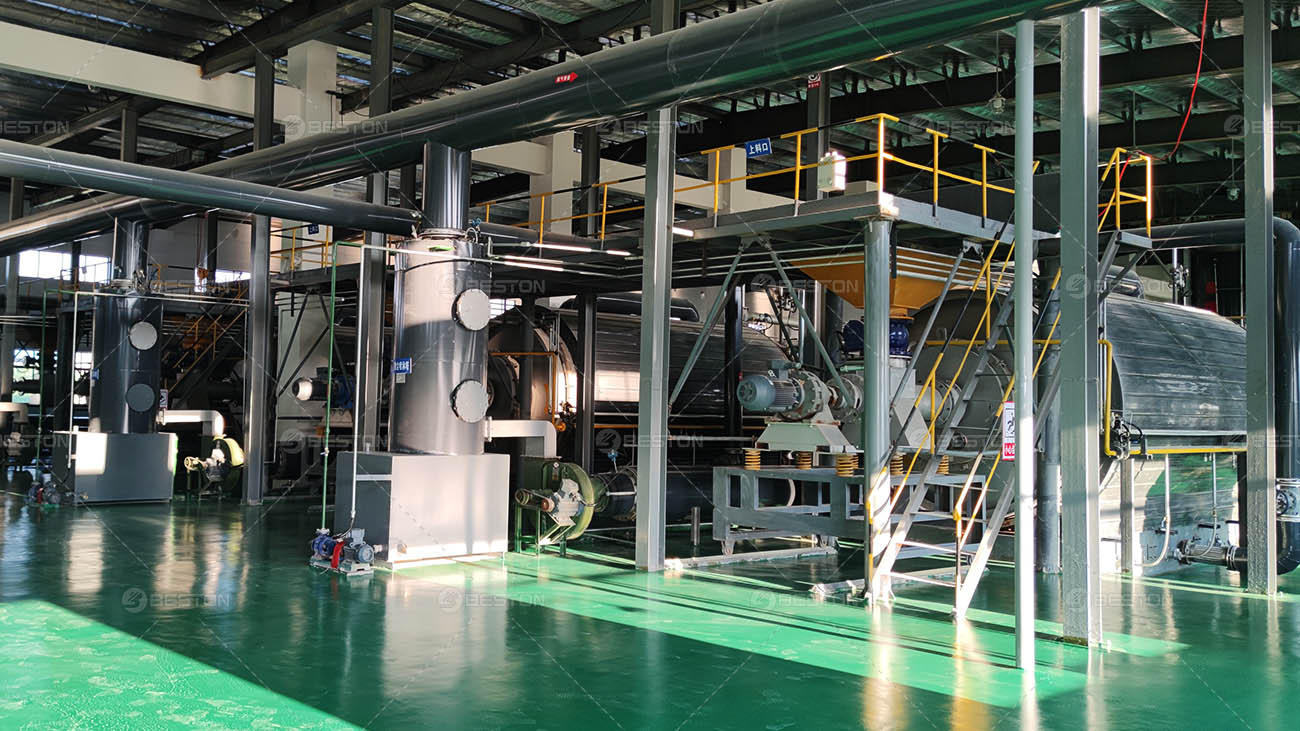
A modern oil sludge pyrolysis plant integrates multiple treatment stages, including sludge feeding, heating, oil-gas condensation, and residue discharge. Through this integrated design, the system achieves high efficiency and continuous operation. The pyrolysis gas produced during heating can often be recycled back into the system as a fuel source, reducing the need for external energy and lowering operational costs.
Additionally, pyrolysis technology significantly decreases the environmental footprint of sludge treatment. Traditional disposal methods such as landfilling or open burning can lead to soil contamination and air pollution. In contrast, controlled pyrolysis ensures that hydrocarbons are captured and reused rather than released into the environment. This makes the technology particularly attractive for regions implementing strict environmental protection policies.
Environmental and Economic Benefits
One of the most compelling reasons industries adopt thermal sludge treatment systems is their dual environmental and economic benefits. First, these technologies drastically reduce hazardous waste volumes. By extracting reusable hydrocarbons, the remaining solid residue becomes far less toxic and easier to handle. In some cases, the treated residue can even be repurposed for construction materials or safe landfill disposal.
Second, oil recovery creates a direct financial return. Equipment like the Beston pyrolysis plant can recover a significant portion of hydrocarbons trapped within sludge. Instead of paying for costly waste disposal, companies can transform waste into marketable fuel products. This resource recovery approach aligns with the principles of circular economy and sustainable industrial development.
Energy efficiency is another major advantage. In many advanced systems, the combustible gas generated during treatment is reused to heat the reactor itself. This reduces fuel consumption and lowers operating costs while also cutting greenhouse gas emissions. As global industries move toward carbon reduction goals, such energy-efficient solutions are becoming increasingly valuable.
Applications Across the Petroleum Industry
Thermal sludge treatment technologies are widely used across different sectors of the petroleum industry. Oilfields generate drilling cuttings and sludge during exploration and extraction. Storage tanks accumulate sludge at the bottom after long periods of oil storage. Refineries also produce oily residues during processing and maintenance operations. Each of these waste streams requires careful management to prevent environmental contamination.
Facilities equipped with an oil sludge pyrolysis plant can handle these diverse waste streams with high efficiency. The flexibility of the system allows operators to process sludge with varying moisture content, oil concentration, and particle size. With proper pretreatment and feeding systems, large volumes of sludge can be processed continuously, making the technology suitable for industrial-scale operations.
Moreover, governments and environmental agencies increasingly encourage the use of such advanced treatment systems. Many regions now require petroleum companies to reduce hazardous waste and implement resource recovery technologies. By adopting modern thermal solutions, companies can meet regulatory requirements while improving their environmental reputation and operational efficiency.
Conclusion
Oil sludge management remains a critical challenge for the global petroleum industry. Traditional disposal methods are no longer sustainable due to their environmental risks and increasing regulatory pressure. Thermal technologies offer a practical and environmentally responsible solution by recovering valuable hydrocarbons and minimizing hazardous waste.
Systems such as thermal desorption and pyrolysis plants provide an integrated approach to sludge treatment. They not only reduce environmental pollution but also generate reusable energy products that support industrial sustainability. As technology continues to advance, these systems will play an even greater role in helping industries transition toward cleaner and more resource-efficient waste management practices.
For companies seeking reliable and eco-friendly treatment methods, modern thermal solutions represent a strategic investment. By converting hazardous sludge into useful resources, industries can protect the environment while simultaneously improving economic performance—an outcome that benefits both business and the planet.