Category: Charcoal Making Machine

The Future of Biochar Production Equipment: Technological Innovations and Market Growth

planta de pirólisis de biomasa

Biochar, a byproduct of pyrolysis, has gained significant attention due to its potential to sequester carbon, enhance soil fertility, and provide a renewable energy source. As the global push for sustainability intensifies, the demand for biochar production equipment is set to increase. Technological innovations and market growth are driving the next generation of biochar production equipment, offering solutions that not only improve efficiency but also meet environmental standards. This article explores the future of biochar production equipment, focusing on technological advancements and the market outlook.

Innovations in Charcoal Making Machines

One of the key drivers of biochar production’s future is the continuous innovation in charcoal making machine technology. Traditional charcoal making machines, primarily used in the production of wood charcoal, have been enhanced to improve efficiency and reduce environmental impact. The latest designs focus on increasing the energy recovery during the pyrolysis process, ensuring that excess heat can be used to power the equipment, thus reducing overall energy consumption.

In addition, modern charcoal making machines come equipped with more advanced automated systems that regulate the temperature and pressure of the pyrolysis chamber, which results in more consistent and higher-quality biochar. These innovations are essential for meeting growing demands in agricultural sectors that rely on biochar as a soil conditioner and carbon sequestration medium.

Wood Charcoal Making Machines: Sustainable and Efficient Design

Wood charcoal making machine continues to evolve with an emphasis on producing high-quality biochar from various wood feedstocks. These machines now integrate more efficient carbonization processes that enable faster pyrolysis, reducing operational costs and increasing production volume. The energy efficiency of these machines is also being improved through the incorporation of heat recovery systems, which capture and recycle excess energy to power the machine’s operations.

The increasing demand for sustainable biochar has led to wood charcoal making machines being used not only in traditional charcoal production but also for larger-scale biochar manufacturing. This shift reflects a growing awareness of biochar’s role in combating climate change, particularly as a means to enhance soil health and capture carbon from the atmosphere. As wood-based biochar production technology improves, it becomes an increasingly important tool for industries focused on sustainability.

Rice Husk Charcoal Making Machines: Harnessing Agricultural Waste

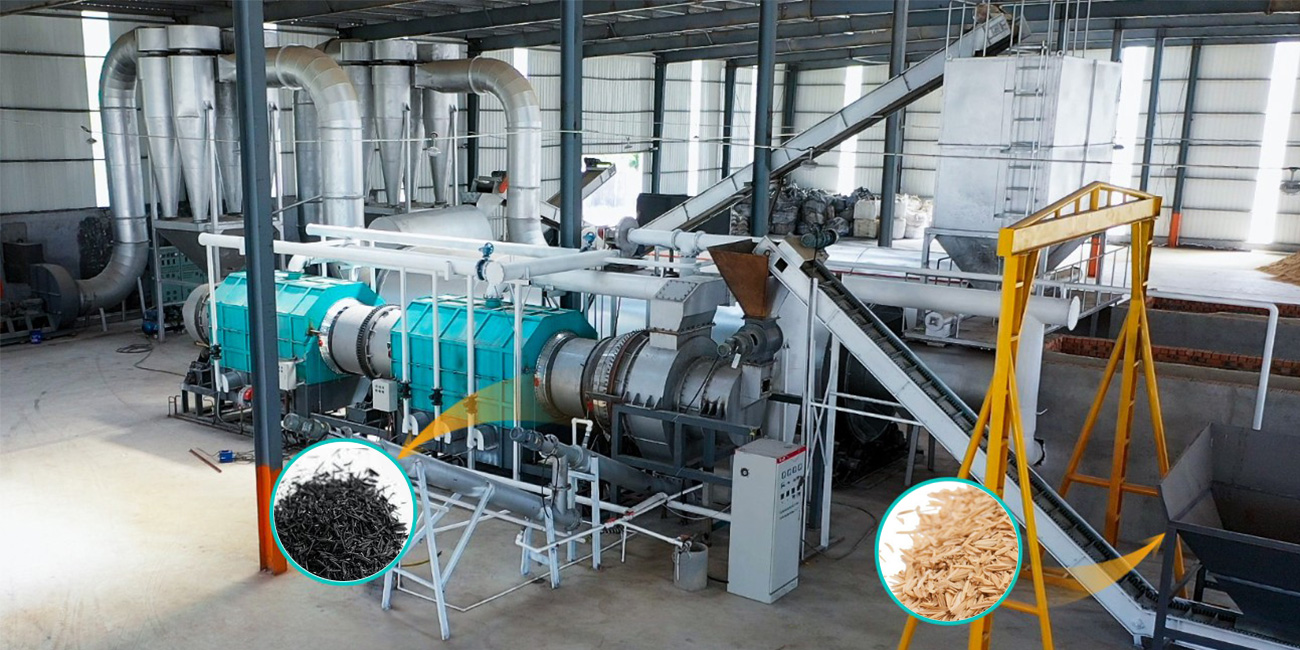
Rice husk, an abundant agricultural byproduct, is emerging as a valuable feedstock for biochar production. The rice husk charcoal making machine has seen significant technological advancements that enhance its ability to efficiently process this waste material. Rice husks are often underutilized, but with advancements in pyrolysis technology, they can now be converted into high-quality biochar that can improve soil quality and serve as a sustainable energy source.

The rice husk charcoal making machine’s ability to efficiently convert agricultural waste into biochar makes it an attractive option for rural and agricultural regions. Moreover, the pyrolysis of rice husks reduces the environmental impact of open-field burning, a common waste disposal practice in many rice-producing countries. As rice husk becomes a key feedstock for biochar production, these machines are likely to become increasingly popular in regions with large-scale rice production.

The Rise of BBQ Charcoal Making Machines

The BBQ charcoal making machine is another area seeing technological progress. This equipment, traditionally used for the production of charcoal for grilling purposes, is being adapted for larger-scale biochar production. Modern BBQ charcoal making machines focus on efficiency and environmental sustainability, utilizing renewable resources such as coconut shells, agricultural residues, and other biomass materials.

The demand for BBQ charcoal is not only driven by consumer preferences for environmentally friendly grilling options but also by the increasing use of charcoal as a renewable energy source. Innovations in BBQ charcoal making machines allow for more rapid production of high-quality charcoal while minimizing smoke emissions and reducing carbon footprints. As biochar’s market expands, BBQ charcoal making machines will likely be repurposed for industrial biochar production, further driving the growth of sustainable energy solutions.

Market Growth and Future Opportunities

The global market for biochar production equipment is experiencing significant growth. As more industries recognize the benefits of biochar for carbon sequestration, soil enhancement, and waste management, the demand for efficient biochar production machines will continue to rise. The biochar market is expected to grow at a compound annual growth rate (CAGR) of 15% over the next five years, with increasing adoption in agriculture, waste management, and renewable energy sectors.

Charcoal making machine manufacturers are responding to this demand by investing in research and development to improve the efficiency, versatility, and scalability of biochar production equipment. As feedstocks such as wood, rice husks, and agricultural waste become more widely available, these machines will be able to process a broader range of materials, contributing to the growth of a circular economy. The integration of heat recovery systems, automated controls, and more efficient pyrolysis processes will be key to ensuring that biochar production remains a cost-effective and environmentally responsible industry.

Conclusion

The future of biochar production equipment is shaped by technological advancements and the expanding market for biochar as a renewable resource. Innovations in wood charcoal making machines, rice husk charcoal making machines, and BBQ charcoal making machines are driving the industry toward more efficient, sustainable, and scalable biochar production. As the demand for biochar increases, these technologies will continue to evolve, offering new opportunities for businesses and industries focused on sustainability. The biochar production sector holds tremendous potential for growth, positioning itself as a key player in the global transition to a more sustainable and circular economy.
Categories: Charcoal Making Machine

The Future of Biomass Carbonization: Unlocking Carbon Removal, Industrial Efficiency, and Resource Value

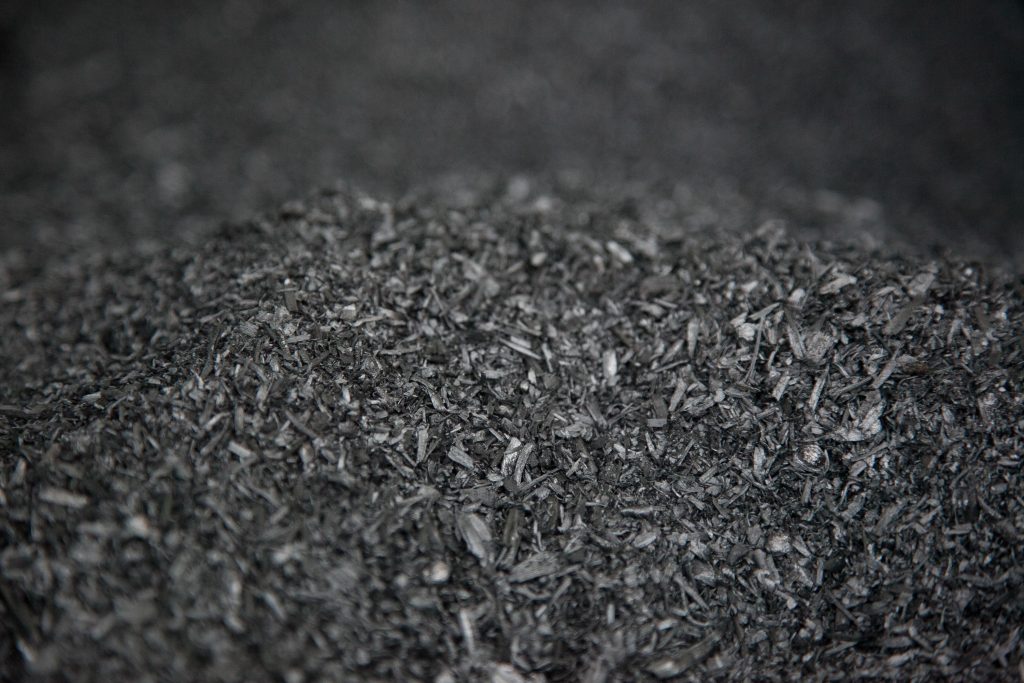
As global climate concerns intensify, industries and governments are increasingly exploring technologies capable of reducing atmospheric carbon dioxide while transforming waste into valuable resources. Among these solutions, biomass carbonization has emerged as a promising pathway. By converting organic materials such as agricultural residues and forestry by-products into stable biochar, this process not only helps manage biomass waste but also plays a meaningful role in carbon sequestration. Biochar production technologies are now being discussed widely across environmental science, carbon markets, and industrial sustainability strategies.

Biomass naturally absorbs carbon dioxide during plant growth through photosynthesis. When these materials decompose or are burned, most of that carbon returns to the atmosphere. However, carbonization technologies alter this cycle by converting biomass into a stable carbon-rich material known as biochar. This biochar can remain in soil for hundreds or even thousands of years, effectively locking carbon away from the atmosphere. As a result, biomass carbonization has become one of the most promising “negative emission technologies,” attracting growing attention from carbon credit platforms, industrial investors, and environmental researchers worldwide.

Carbon Removal and the Rise of Biochar in Global Carbon Markets

One of the most important drivers behind the rapid growth of biomass carbonization is its role in carbon dioxide removal (CDR). During plant growth, biomass absorbs CO₂ from the atmosphere. Through carbonization, this captured carbon is transformed into biochar, a stable material that resists decomposition. When applied to soil or used in long-term applications, the carbon stored in biochar can remain locked away for centuries. This makes biochar production a credible and scalable pathway for achieving negative emissions.

International carbon marketplaces have already begun recognizing this potential. Platforms such as Puro.earth have introduced biochar-based carbon credit mechanisms, allowing companies to offset emissions through verified carbon sequestration projects. Scientific estimates suggest that producing one ton of biochar can effectively remove approximately 2.5 to 3 tons of CO₂ equivalent from the atmosphere. This carbon storage potential is driving increased demand for modern carbonization technologies, including advanced systems like the biochar production machine, which enables efficient conversion of biomass residues into high-quality biochar while maintaining environmental compliance.

In addition to carbon storage, biochar also improves soil fertility, enhances water retention, and supports sustainable agriculture. These additional environmental benefits make biochar particularly attractive for climate mitigation programs that combine carbon reduction with ecosystem restoration. As carbon markets expand, biochar-based carbon removal is expected to become an increasingly important component of global climate strategies.

Continuous Carbonization Technology: The Industrial Evolution

Historically, biomass carbonization was performed using traditional earth kilns or small-scale batch systems. While these methods were simple, they often suffered from inconsistent product quality, low efficiency, and significant environmental pollution. Modern industries are now shifting toward continuous carbonization technology, which offers greater reliability, improved energy efficiency, and scalable production capacity.

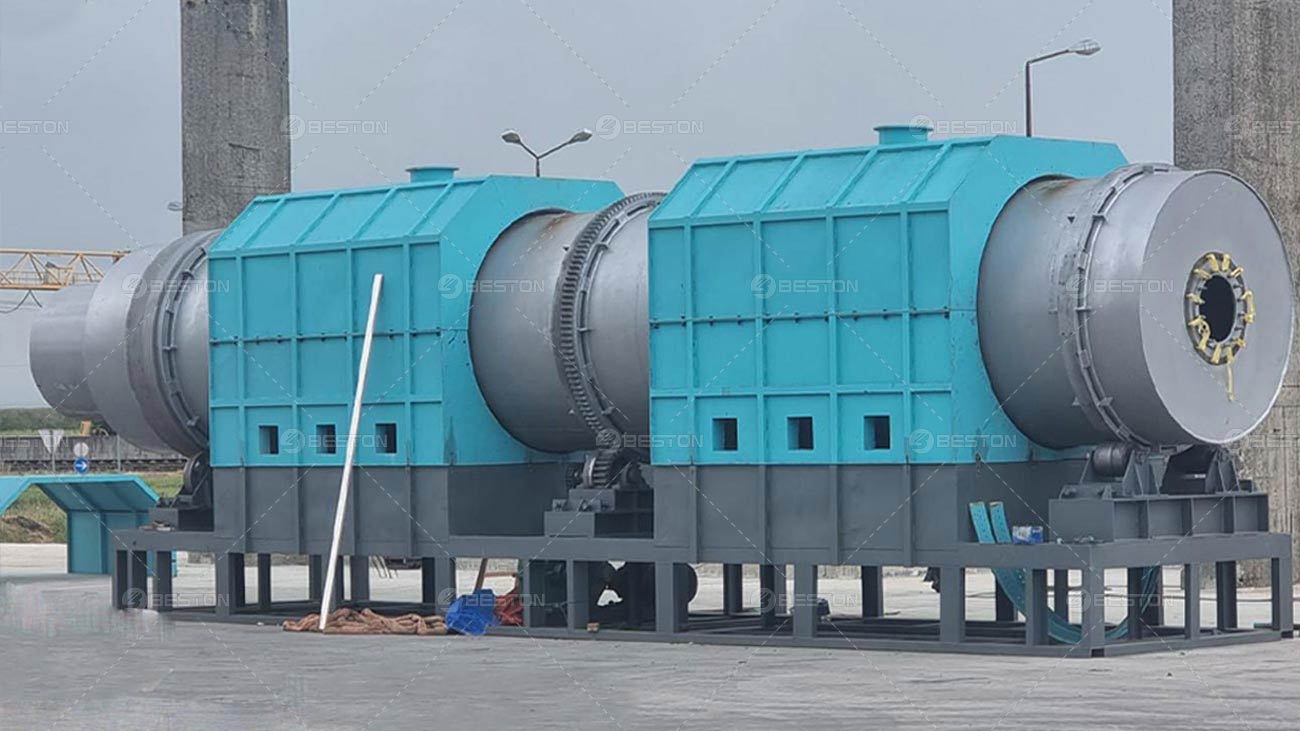
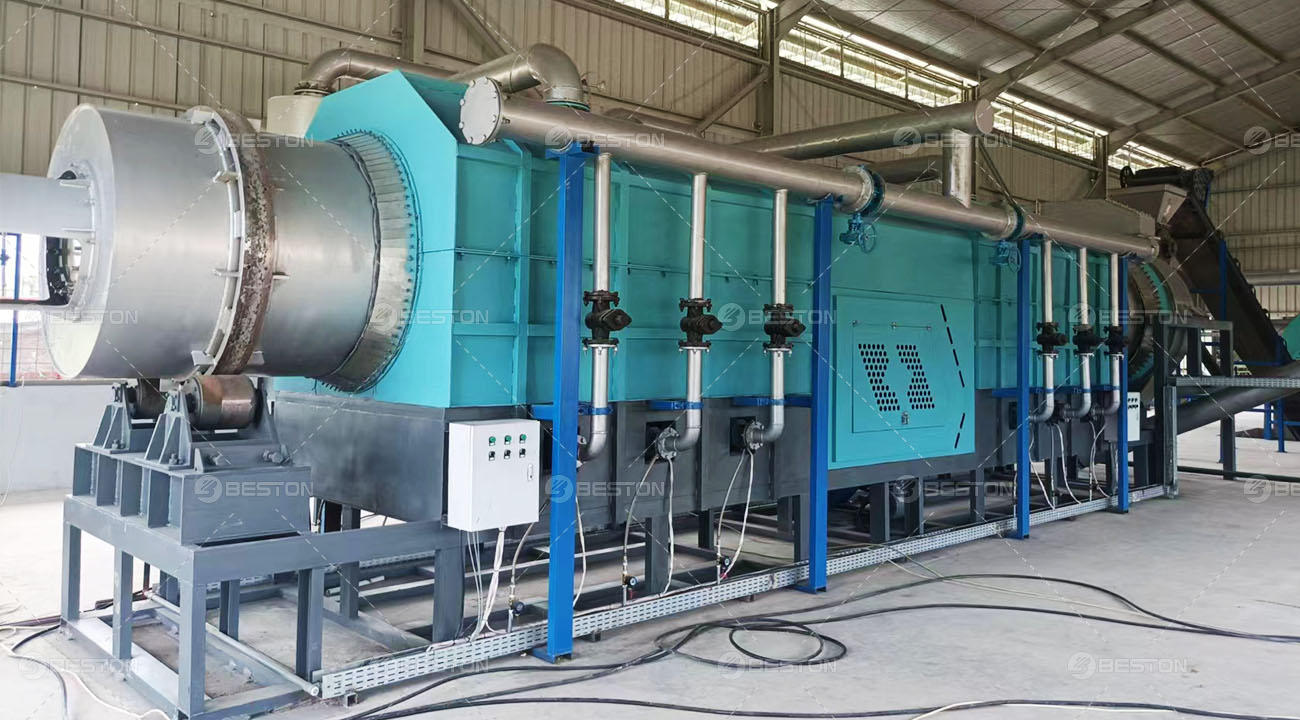
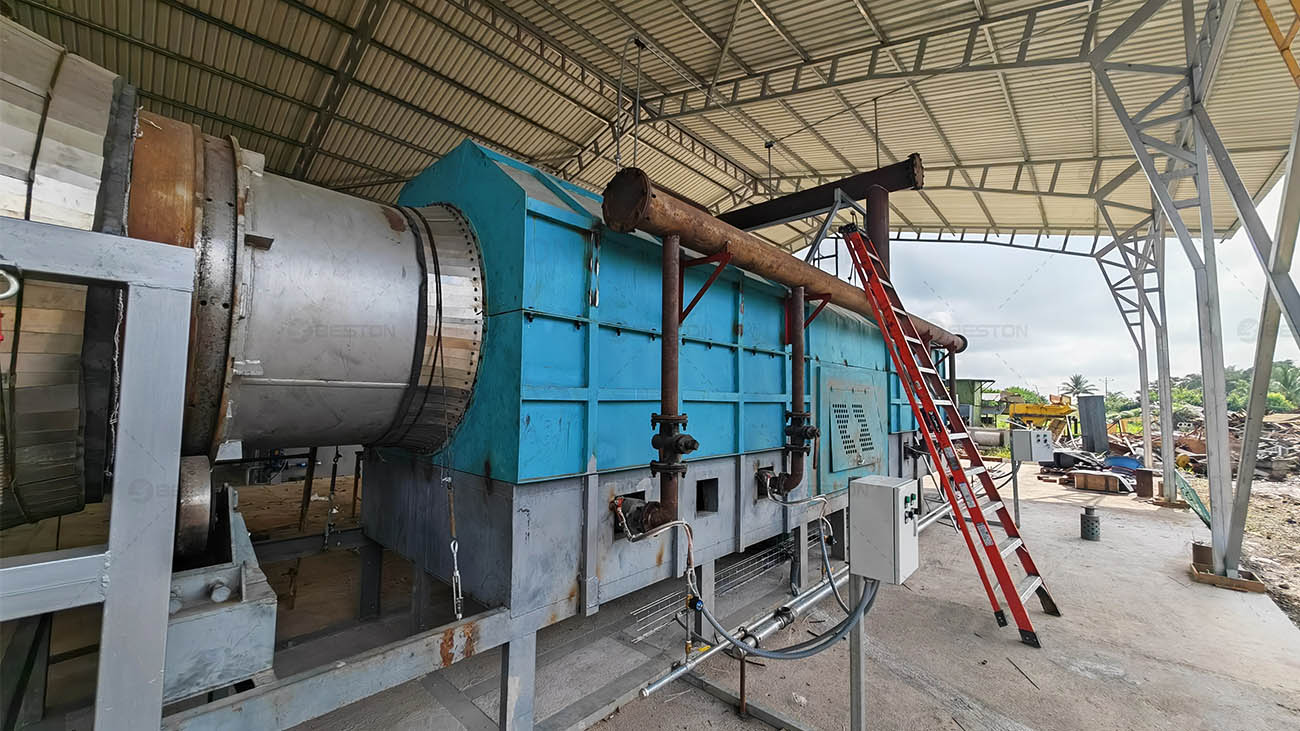
Continuous carbonization systems typically use rotating drum or reactor-based designs that allow biomass materials to move steadily through the carbonization process. This continuous flow approach enables large volumes of raw materials to be processed without interruptions. Industrial systems can handle several tons of biomass per hour, making them suitable for large-scale agricultural and forestry waste management projects. Advanced systems also incorporate heat recovery mechanisms that recycle combustible gases produced during carbonization, reducing external energy consumption and improving overall efficiency.

These modern carbonization technologies are especially valuable in regions with abundant agricultural residues. For example, rice-producing countries generate massive quantities of rice husks each year. Instead of burning or discarding these residues, they can be converted into valuable biochar products using specialized equipment such as the rice husk charcoal machine. This transformation not only reduces environmental pollution but also creates new economic opportunities for rural industries.

Rice-Husk-Charcoal-Machine

Optimizing Carbonization Strategies for Different Biomass Feedstocks

Another important factor shaping the future of biomass carbonization is feedstock diversity. Different types of biomass contain varying proportions of cellulose, hemicellulose, and lignin. These structural components influence both the carbonization temperature and the final characteristics of the produced biochar. As a result, successful carbonization projects must carefully match technology and processing parameters with the properties of the selected biomass feedstock.

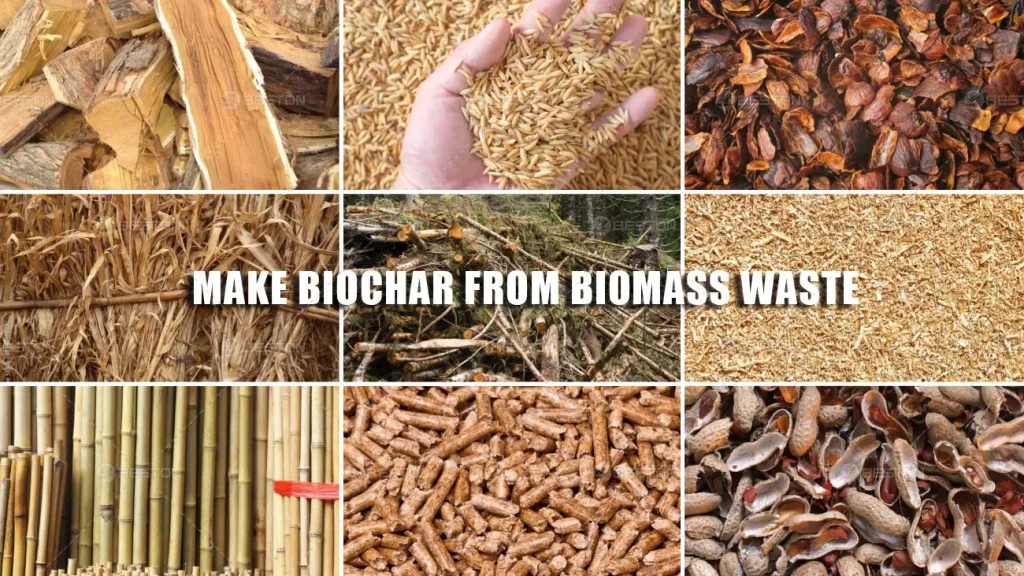
Agricultural residues such as straw, corn cobs, and rice husks typically contain higher ash content and lower bulk density. These characteristics require specialized processing methods to ensure stable carbonization and high-quality charcoal production. Forestry residues, on the other hand, often contain higher lignin content, which results in higher fixed carbon content and better calorific value. Materials such as wood chips, branches, and bamboo are therefore widely used for producing premium charcoal products.

Among these forestry-based materials, bamboo stands out as a particularly valuable biomass resource. Bamboo grows rapidly, absorbs large amounts of carbon dioxide, and can be harvested sustainably. When processed using dedicated equipment like the bamboo charcoal machine, bamboo can be converted into high-quality charcoal suitable for applications ranging from soil improvement to industrial fuel and activated carbon production.

From Waste to Resource: Expanding Applications of Biomass Charcoal

The value of biomass carbonization extends far beyond carbon sequestration. Biochar and biomass charcoal products are increasingly used across agriculture, energy production, water purification, and environmental remediation. In agriculture, biochar improves soil structure, enhances microbial activity, and increases nutrient retention. These benefits lead to healthier crops and improved soil resilience, particularly in degraded or nutrient-poor environments.

In the energy sector, biomass charcoal serves as a renewable alternative to fossil fuels. Compared with raw biomass, charcoal burns more efficiently and produces fewer emissions. This makes it suitable for both industrial heating and household energy applications in many developing regions. Additionally, certain biomass-derived charcoals can be processed further to create activated carbon for filtration systems used in water treatment and air purification.

Wood processing industries also generate substantial volumes of sawdust and wood chips that often go underutilized. With appropriate carbonization technology, these residues can be converted into valuable charcoal products instead of being disposed of or burned as waste. Equipment such as the sawdust charcoal machine allows manufacturers to transform low-value wood residues into commercially valuable biochar while reducing environmental impact.

Sawdust Charcoal Making Machine - Project Site

Conclusion

Biomass carbonization is rapidly evolving from a traditional charcoal-making practice into a sophisticated industrial technology with global environmental significance. Driven by the urgent need for carbon reduction, the development of carbon markets, and growing awareness of sustainable resource management, biochar production is gaining momentum across multiple industries.

Key innovations such as continuous carbonization systems, feedstock-specific processing strategies, and advanced emission control technologies are making biomass carbonization more efficient, scalable, and environmentally responsible. At the same time, the integration of biochar into carbon credit systems highlights its potential as a powerful tool for long-term carbon sequestration.

As the world continues to seek practical solutions for climate mitigation and waste management, biomass carbonization stands out as a technology capable of delivering both environmental and economic benefits. By transforming agricultural and forestry residues into stable carbon products, modern carbonization systems help close the loop in the global carbon cycle—turning biomass waste into a valuable resource while supporting a more sustainable future.

Categories: Charcoal Making Machine

Top 10 Business Opportunities in the Growing Biochar Industry

With the world increasingly focused on sustainability, carbon neutrality, and renewable energy, the biochar industry is becoming one of the most promising sectors for eco-conscious entrepreneurs. Derived from the thermal decomposition of biomass in a low-oxygen environment, biochar has a wide range of applications in agriculture, waste management, energy, and climate mitigation. This article explores ten exciting business opportunities in the expanding biochar market — ideal for startups, farmers, and investors alike.

1. Biochar for Soil Amendment and Fertility Enhancement

Farmers around the world are turning to biochar as a natural solution to improve soil structure, increase water retention, and enhance microbial activity. Starting a business that supplies biochar to local farms and agricultural cooperatives is a low-entry, high-demand opportunity, especially in areas with poor soil quality.

2. Selling Biochar as a Carbon Credit Generator

Biochar is recognized as a long-term carbon sink. By producing and applying biochar, businesses can generate carbon credits, which can then be sold on voluntary carbon markets. Setting up a carbon offset company focused on biochar pyrolysis machine-based production can tap into the growing green finance sector.

3. Biochar Production from Agricultural Waste

Many rural regions are rich in biomass waste — such as rice husks, corn stalks, and coconut shells — which can be turned into high-quality biochar. Entrepreneurs can invest in a rice husk charcoal machine to start localized production units that convert waste into value-added products.

Biomass

4. Biochar Livestock Feed Additives

Adding small amounts of biochar to animal feed improves digestion, reduces methane emissions, and enhances animal health. Entrepreneurs can develop biochar-based additives for poultry, cattle, and swine — especially valuable for organic and sustainable farms.

5. Biochar Cosmetics and Skincare Line

Biochar is increasingly being used in face masks, soaps, and exfoliants due to its absorptive and detoxifying properties. Entering the natural cosmetics market with a biochar-based skincare product line is a creative and potentially profitable idea.

6. Waste Management Services Using Carbonization

Municipal solid waste and agricultural residues are major environmental issues. Offering waste-to-biochar services to governments or private farms using a charcoal carbonization machine provides a dual benefit: reducing pollution while generating profit from carbon-rich outputs.

7. Biochar-Based Water Filtration Products

Biochar’s porous structure makes it excellent for filtering contaminants in water. There’s an emerging market for eco-friendly water purification solutions using biochar. Startups can design home or industrial-scale biochar filtration units or even partner with existing water tech companies.

8. Landscaping and Horticulture Applications

Landscape designers and horticulturists are embracing biochar to improve plant health, reduce fertilizer needs, and conserve water. Businesses can offer premium biochar blends tailored to flower gardens, lawns, or trees, targeting residential and commercial landscaping markets.

9. Biochar as a Renewable Energy Fuel

In some regions, biochar is used as a smokeless, long-burning fuel. Entrepreneurs can produce and sell biochar briquettes as an alternative to wood or coal. This is especially useful in off-grid areas or countries with strict emissions regulations.
Biochar from Pyrolysis

10. Consultancy and Equipment Distribution

As the biochar market matures, there’s a rising demand for professional consulting services and equipment solutions. Entrepreneurs can serve as local distributors of biochar pyrolysis machine, help clients design biochar systems, or offer guidance on project implementation, carbon credits, and compliance.

Conclusion

The global shift toward green innovation and sustainable living is creating enormous demand for climate-friendly technologies. The biochar industry not only promises profitability but also contributes meaningfully to environmental protection and resource circularity.

Whether you’re interested in agricultural products, clean energy, environmental services, or eco-friendly consumer goods, there’s a viable niche in the biochar ecosystem for you. With the right equipment, you can turn biomass waste into a high-value business and be part of the global solution to climate change. Beston Group Co., Ltd. is here to provide you with more details.

Categories: Charcoal Making Machine

Top Machines for Efficient Charcoal Production

As environmental consciousness continues to rise globally, businesses and individuals are exploring more sustainable ways to manage organic waste. Among these methods, portable biochar makers, carbonizer machines, charcoal briquette makers, and shisha charcoal making machines have emerged as key technologies in promoting waste recycling and renewable energy generation. Each of these machines serves a unique purpose, making them versatile tools for transforming biomass into value-added products, contributing to sustainability and a circular economy. Let’s explore how each of these devices functions and their respective benefits.

1. Portable Biochar Maker: A Tool for On-the-Go Sustainability

A portable biochar maker is a compact, mobile solution designed for converting organic waste into biochar—an eco-friendly carbon-rich product with multiple uses. It is perfect for small-scale farmers, gardeners, or anyone interested in converting biomass, such as agricultural residues, into biochar without the need for a fixed facility. Its portability allows for use in remote locations, and it’s relatively easy to set up and operate.

Biochar produced from a portable maker enhances soil fertility, retains moisture, and reduces the need for chemical fertilizers, making it a favorite for sustainable farming. Additionally, biochar sequesters carbon, contributing to the fight against climate change by trapping carbon dioxide in the soil for centuries.

Mobile Biochar Machine

2. Carbonizer Machine: A High-Efficiency Biomass Conversion Unit

A carbonizer machine is a specialized device for transforming biomass into biochar, charcoal, or syngas through pyrolysis—a process that heats organic materials in the absence of oxygen. Unlike portable biochar makers, carbonizer machines are often used in larger, more industrial setups due to their high output capacity and efficient energy use. These machines can process various feedstocks like coconut shells, wood chips, rice husks, and even waste materials like sawdust.

One of the primary benefits of carbonizer machines is their ability to run continuously, making them suitable for businesses that require a consistent supply of biochar or charcoal. The byproducts, such as syngas, can also be captured and reused, making the process energy-efficient and reducing waste.

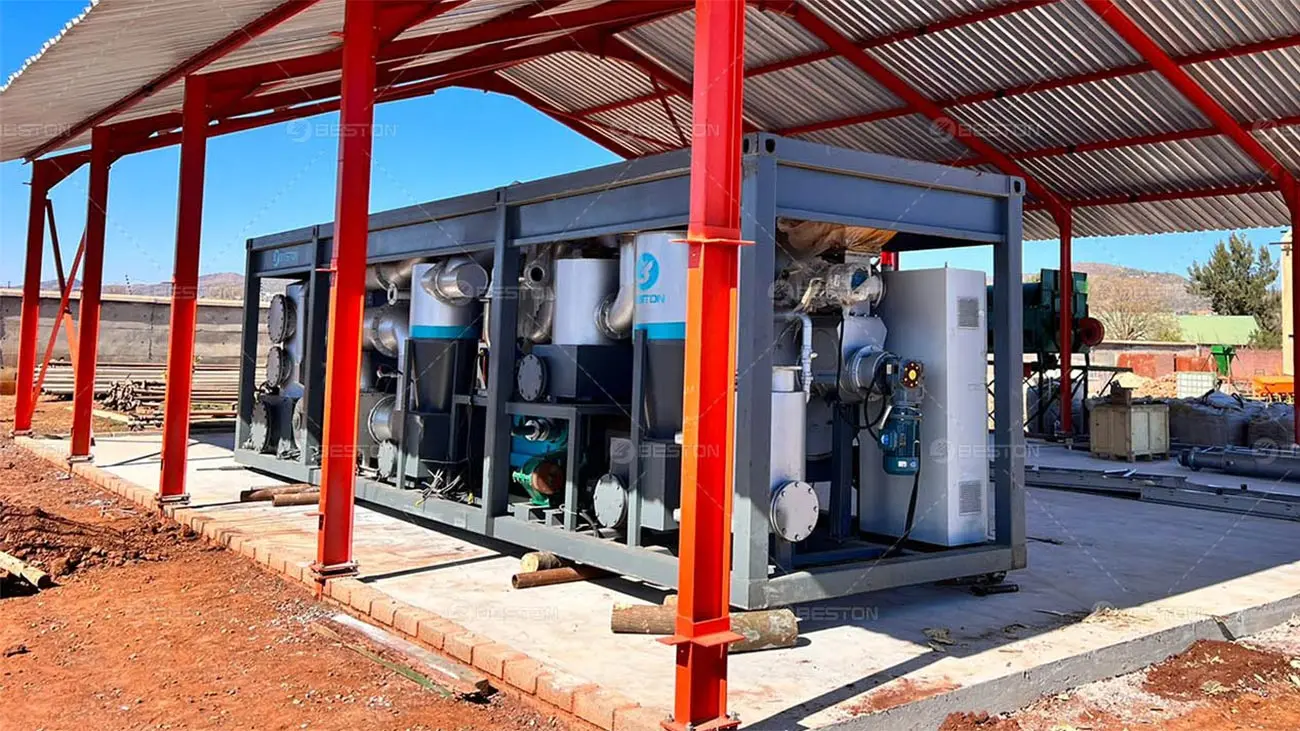
Biomass Carbonization Machine

3. Charcoal Briquette Maker: Turning Biomass into Solid Fuel

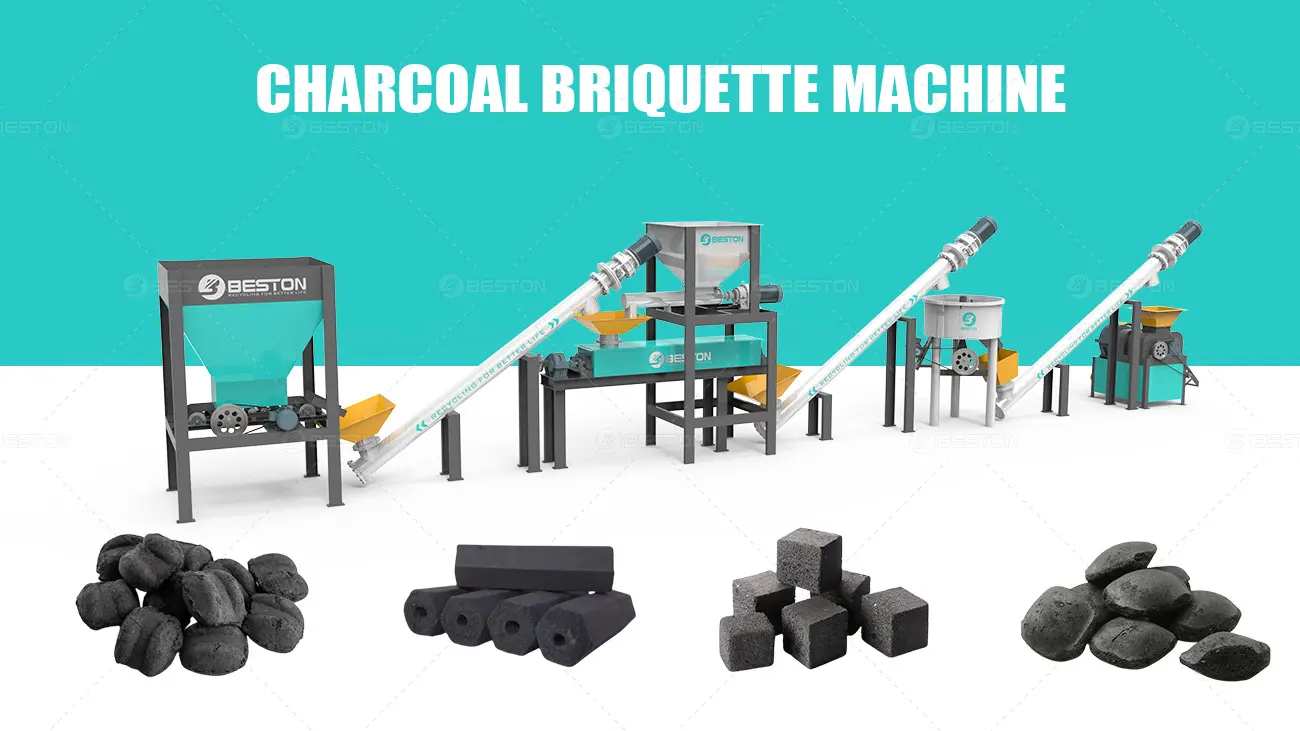
A charcoal briquette maker takes processed biochar or charcoal powder and compresses it into uniform, easy-to-handle briquettes. These briquettes are popular as an alternative to traditional firewood or coal, especially in developing countries where energy access may be limited. https://bestonpyrolysisplant.com/charcoal-briquette-machine/

Charcoal briquettes offer several advantages:

  • Longer burning time: Briquettes burn slower and more steadily compared to raw charcoal, providing a more controlled heat source.
  • Eco-friendly: By recycling agricultural or wood waste into briquettes, it reduces the need to cut down trees for fuel.
  • Cost-effective: Since briquettes are made from waste materials, they are an affordable and sustainable fuel option for households and industries alike.

Briquettes are also more convenient for transport and storage, making them an attractive option for both domestic use and large-scale applications.

Charcoal Briquette Machine

4. Shisha Charcoal Making Machine: Fueling a Growing Market

The shisha charcoal making machine is designed to create small, uniformly shaped charcoal pieces used for smoking shisha (hookah). This machine takes biochar or processed charcoal and molds it into easy-to-light, high-quality shisha charcoal that offers a slow burn, smooth flavor, and minimal ash production.

With the rising global popularity of shisha, the demand for high-quality shisha charcoal has increased. Shisha charcoal must meet specific criteria: it should ignite easily, burn evenly, and not produce excessive smoke. A well-designed shisha charcoal machine ensures these standards are met by producing consistent, dense charcoal that enhances the shisha experience. https://bestonpyrolysisplant.com/shisha-charcoal-machine/

This machine is ideal for businesses looking to tap into the booming shisha market while promoting the use of renewable materials.

Conclusion: Choosing the Right Machine for Your Needs

Whether you’re a small-scale farmer, a sustainability-focused business, or a company targeting the shisha charcoal market, the right machine can significantly impact your operations. A portable biochar maker offers flexibility and ease of use for small projects, while a carbonizer machine ensures efficient large-scale biomass conversion. For those looking to create fuel, a charcoal briquette maker provides a sustainable, cost-effective solution. Finally, the shisha charcoal making machine allows you to cater to a growing demand for premium charcoal in the shisha industry.

By integrating these technologies into your operations, not only do you contribute to reducing waste and promoting renewable energy, but you also open doors to new market opportunities in sustainable product development.

Categories: Charcoal Making Machine

The Eco-Friendly Impact of Coconut Shell Charcoal Making Machine

Introduction

Overview of Coconut Processing

Coconuts, often hailed as the “tree of life,” have been integral to various industries. From culinary uses to skincare, every part of the coconut finds its purpose. However, it’s the coconut shell that has gained renewed attention with the development of coconut shell charcoal making machines.

Significance of Coconut Shell Charcoal

Coconut shell charcoal holds immense value due to its high carbon content and low ash content. It has become a sought-after material in various industries, prompting the need for efficient and advanced methods of production.
Beston Coconut Shell Charcoal Making Machine

Evolution of Coconut Shell Charcoal Making Machines

Historical Background

The journey of coconut shell charcoal production dates back to ancient times when traditional methods involved manual charring. However, the modern era has witnessed a transformative evolution, with the integration of cutting-edge technologies.

Technological Advancements

Recent years have seen a surge in the sophistication of coconut shell charcoal making machine. Innovations in engineering have led to machines that are not only efficient in production but also environmentally friendly. The evolution is not just a leap in technology but a stride towards sustainable practices.

Key Components of Modern Machines

Pyrolysis Chamber

At the heart of the coconut shell charcoal making machine lies the pyrolysis chamber. This is where the magic happens – the coconut shells undergo a process called pyrolysis, where they are heated in the absence of oxygen, transforming them into charcoal.

Gasifier Unit

Adjacent to the pyrolysis chamber is the gasifier unit. This component plays a pivotal role in converting the by-products of pyrolysis into valuable gases, which can be harnessed for various purposes, contributing to the overall efficiency of the system.

Cooling System

Once the pyrolysis and gasification are complete, the cooling system comes into play. This component ensures that the charcoal produced is ready for use by rapidly reducing its temperature. The efficiency of the cooling system directly impacts the quality of the end product.

BST-10 Coconut Shell Charcoal Machine

Process of Coconut Shell Charcoal Production

Feedstock Preparation

The first step involves meticulous preparation of the coconut shells. These are cleaned, dried, and sorted to ensure uniformity in the feedstock. The quality of the feedstock significantly influences the final product.

Pyrolysis Reaction

As the prepared coconut shells enter the biochar reactor, they undergo a thermal decomposition process. The absence of oxygen prevents combustion, leading to the creation of charcoal. This controlled environment is crucial for obtaining high-quality coconut shell charcoal.

Gasification and Activation

The gasifier unit takes over post-pyrolysis, converting the by-products into valuable gases. Additionally, the activated carbon, a result of the activation process, enhances the adsorption properties of coconut shell charcoal, making it highly versatile.

Advantages of Coconut Shell Charcoal

High Carbon Content

One of the standout features of coconut shell charcoal is its impressive carbon content. This attribute makes it an ideal choice for applications where a high-carbon content is paramount, such as in metallurgical industries.

Low Ash Content

Unlike traditional charcoal, coconut shell charcoal boasts remarkably low ash content. This characteristic not only enhances its combustion efficiency but also reduces environmental impact, making it an eco-friendly choice.

Environmental Sustainability

The production of coconut shell charcoal aligns with the principles of environmental sustainability. The utilization of coconut shells, which would otherwise be considered waste, contributes to the reduction of environmental footprint.

Diverse Applications of Coconut Shell Charcoal

Metallurgical Industries

Coconut shell charcoal’s high carbon content finds widespread use in metallurgical industries. Its application as a reducing agent in metal extraction processes highlights its significance in these sectors. If you want to know more about the application of coconut shell charcoal in the metal smelting industry, please visit:https://bestonasia.com/

Water Purification

The adsorption properties of activated carbon in coconut shell charcoal make it an excellent candidate for water purification. Its ability to remove impurities and contaminants from water has led to its integration into water treatment processes.

Pharmaceutical and Cosmetic Uses

The pharmaceutical and cosmetic industries have also embraced coconut shell charcoal. Its purity and adsorption capabilities make it a valuable ingredient in medicinal and cosmetic products, contributing to the growing demand for this versatile material.

Future Trends and Innovations

Integration of IoT and Automation

The future of coconut shell charcoal production is poised for a digital revolution. Integrating Internet of Things (IoT) technologies and automation into charcoal making machine enhances precision, efficiency, and data-driven decision-making, ushering in a new era of smart manufacturing.

Research and Development Initiatives

Ongoing research and development initiatives continue to push the boundaries of coconut shell charcoal production. Scientists and engineers are exploring novel methods to further enhance the quality, efficiency, and sustainability of the process, ensuring that coconut shell charcoal remains at the forefront of eco-friendly and versatile materials.

In conclusion, the coconut shell charcoal making machine has not only revolutionized coconut processing but has also opened up new avenues for sustainable practices and versatile applications. As technology continues to advance, the future holds exciting possibilities for the coconut shell charcoal industry.

Categories: Charcoal Making Machine

Charcoal Making Machines: Transforming Biomass into Black Gold

In the realm of sustainable technologies, charcoal making machines emerge as transformative instruments, turning organic waste into valuable, carbon-rich charcoal. These remarkable devices, often hidden away in eco-conscious communities and industrial facilities, are the unsung heroes of sustainable resource production. Let’s delve into the intricate world of charcoal making machines and unveil their remarkable capabilities.

Understanding the Essence of Charcoal

Before we delve into the charcoal making machine, it’s essential to grasp the significance of charcoal itself. Charcoal, in its simplest form, is carbon-rich material, typically produced by heating organic matter, such as wood or agricultural residues, in a low-oxygen environment. This process, known as pyrolysis, converts the biomass into charcoal, leaving behind valuable products like syngas and bio-oil.

BST Fully Continuous Charcoal Making Machine

The Inner Workings of Charcoal Making Machines

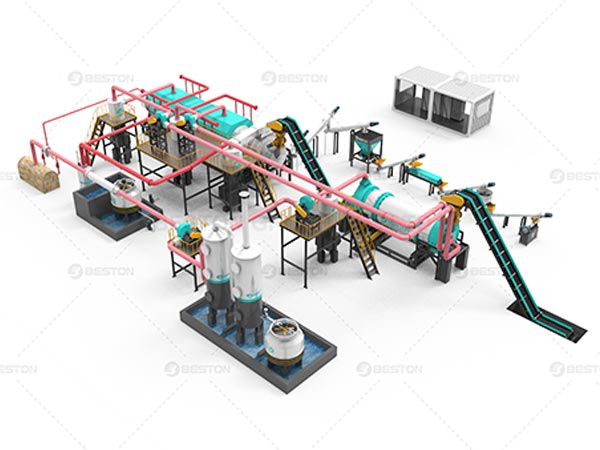
At the core of these machines lies the art of pyrolysis, a thermochemical process where biomass undergoes controlled decomposition under elevated temperatures in an environment with limited oxygen. This careful orchestration of heat and chemistry results in a trifecta of outputs: charcoal, syngas, and bio-oil.

Key Components of a Charcoal Making Machine:

Feedstock Hopper: This is where the journey begins as biomass materials, which can vary from wood chips to crop residues, are meticulously loaded into the machine.

Pyrolysis Reactor: The heart of the operation, where the magic unfolds. In this chamber, the biomass is subjected to extreme heat, releasing gases and leaving behind the prized charcoal.

Gas Collection System: The valuable gases generated during the process, like methane and hydrogen, are efficiently captured for further use.

Condensation Unit: This component serves to cool the gases, converting them into a valuable liquid form – bio-oil. This substance holds great potential for various applications.

Charcoal Collection Point: The culmination of the process, where the precious charcoal is collected and ready to be employed in various applications.

Applications of Charcoal

The utility of the charcoal produced by these machines spans across multiple domains:

1. Fuel
Charcoal serves as an excellent fuel source, especially in regions where access to traditional energy sources is limited. It’s a vital energy resource for cooking, heating, and even electricity generation.

2. Agriculture
Charcoal from wood charcoal making machine is a game-changer in agriculture. When mixed with soil, it improves water retention, enhances nutrient availability, and promotes microbial activity. This results in higher crop yields and reduced reliance on chemical fertilizers.

3. Environmental Remediation
The exceptional adsorption capacity of charcoal makes it a powerful tool in environmental cleanup. It can efficiently remove contaminants from soil and water, offering a sustainable solution for land and water remediation.

4. Carbon Sequestration
In the fight against climate change, charcoal plays a critical role. When added to soil, it sequesters carbon for extended periods, helping to reduce atmospheric CO2 levels.

5. Metallurgy
Charcoal is a crucial component in metallurgy, where it’s employed as a reducing agent in the production of metals like iron and steel.

The Cost Dynamics of Charcoal Making Machines

Understanding the economics of charcoal making machines is pivotal for those considering this sustainable venture. Several factors influence the overall cost:

1. Machine Size and Capacity
Larger machines often come with a higher upfront investment but have the advantage of processing more biomass, resulting in a more cost-effective production of charcoal over time.

2. Feedstock Availability
The type and accessibility of feedstock can affect both the cost and efficiency of the machine. Locally sourced biomass is often more cost-effective and environmentally friendly.

3. Operational Expenses
Maintenance, energy consumption, and labor costs are part of the ongoing expenses associated with charcoal production.

Square Hookah Charcoal

The Environmental Benefits of Charcoal Making Machines

The allure of rice husk charcoal making machine goes beyond economic viability. They offer a spectrum of environmental advantages:

Waste Reduction: They play a pivotal role in reducing the volume of organic waste that would otherwise end up in landfills.
Soil Enhancement: Through enriching soil and enhancing its quality, charcoal contributes to sustainable agriculture and ecosystem restoration.
Carbon Sequestration: By locking carbon in the soil, charcoal aids in climate change mitigation.
Contaminant Cleanup: Charcoal efficiently detoxifies soil and water, making it a sustainable solution for environmental remediation projects.

Paving the Way for a Greener Future

In an era marked by environmental consciousness and the growing need for sustainable practices, straw charcoal machine hold the promise of turning organic waste into a resource of boundless potential. These machines, with their capacity to produce charcoal and contribute to diverse sectors, are the unsung heroes in the quest for a greener, more sustainable future. The black gold they produce is not just a resource; it’s a symbol of innovation, sustainability, and progress.

Categories: Charcoal Making Machine

Exploring the Power of Mobile Biochar Machine in Sustainable Agriculture

In the realm of sustainable agriculture, a fascinating innovation is making its mark: the mobile biochar machine. Biochar, a form of charcoal produced through the pyrolysis or gasification of biomass, has gained recognition for its ability to enhance soil fertility, sequester carbon, and contribute to a more sustainable future. A mobile biochar machine, equipped with specialized components, offers the flexibility to produce biochar on-site, revolutionizing the way we approach agricultural practices. In this article, we delve into the world of mobile biochar machines, exploring their components, advantages, applications, and the challenges they face.

Ship BST-05Pro Mobile Biochar Machine to Uzbekistan in 2023

Components of a Mobile Biochar Machine

To understand the inner workings of a mobile biochar machine, we must familiarize ourselves with its key components. At its core, a mobile biochar machine consists of a gasification unit, pyrolysis chamber, filtration and purification system, and a collection and storage system.

The gasification unit plays a crucial role in converting biomass into gas, which is a precursor for biochar production. Through the gasification process, biomass is subjected to high temperatures in an oxygen-limited environment, resulting in the release of volatile gases. These gases are then used as fuel for subsequent stages.

The pyrolysis chamber, another integral component, provides the environment required for the transformation of biomass into biochar. By subjecting biomass to high temperatures in the absence of oxygen, pyrolysis occurs, leading to the decomposition of organic matter and the formation of biochar.

A filtration and purification system ensures the removal of impurities, such as tar and particulate matter, from the produced gas. Different types of filtration systems, including cyclones and electrostatic precipitators, are employed to achieve clean gas output.

Lastly, the collection and storage system allows for the efficient gathering and preservation of biochar. Various methods, such as cyclone separators and bag filters, are used to separate biochar from the gas stream. Once collected, biochar can be stored for later use or transported to desired locations.

Advantages of a Mobile Biochar Machine

The mobility and flexibility offered by this kind of biochar production equipment are among its standout advantages. Unlike traditional stationary biochar production facilities, mobile machines can be transported to different locations, making them ideal for addressing specific agricultural needs. These machines find particular value in remote or inaccessible areas, where transporting biomass to centralized facilities may be impractical or costly.

Moreover, mobile biochar machines enable on-site biochar production, eliminating the need for transportation, which contributes to carbon emissions. By integrating biochar production with local waste management systems, agricultural residues and organic waste can be efficiently converted into valuable biochar, providing an effective solution for biomass utilization and waste reduction.

Furthermore, the application of biochar derived from mobile machines brings forth significant benefits in terms of soil fertility and carbon sequestration. Biochar, when applied to soils, enhances their water-holding capacity, nutrient retention, and microbial activity. This leads to improved crop yields and a reduction in the need for chemical fertilizers. Additionally, biochar’s remarkable ability to sequester carbon in the soil contributes to mitigating climate change by reducing atmospheric greenhouse gas levels.

Applications of Mobile Biochar Machine

The applications of mobile biochar machines span across various sectors, with agriculture and horticulture being the primary beneficiaries. When incorporated into agricultural practices, biochar has demonstrated its potential to enhance soil health, increase crop yields, and reduce the reliance on synthetic fertilizers. Organic farming practices, in particular, benefit from the integration of biochar, promoting sustainable and environmentally friendly approaches to cultivation.

Beyond agriculture, mobile biochar machines have found applications in forestry and land rehabilitation. Biochar has proven instrumental in reforestation efforts, providing an ideal growth medium for young trees and aiding in the restoration of degraded or contaminated soils. By promoting ecosystem regeneration, mobile biochar machines contribute to the conservation of natural resources and the recovery of damaged landscapes.

Additionally, these machines play a crucial role in waste management and biomass utilization. Through the conversion of agricultural residues, such as crop stalks and husks, as well as organic waste from industries or households, biomass pyrolysis plants address the issue of biomass burning, which contributes to air pollution and greenhouse gas emissions. By transforming this biomass into biochar, these machines offer a sustainable alternative, reducing environmental harm and utilizing waste as a valuable resource.

Challenges and Future Developments

While mobile biochar machines offer significant potential, they also face challenges that must be addressed for widespread adoption. Technological advancements are crucial to improve the efficiency and scalability of these machines. Ongoing research focuses on optimizing gasification and pyrolysis processes, exploring innovative heating mechanisms, and integrating automation and remote monitoring systems.

Economic viability and market potential are other areas of consideration. While the cost-effectiveness of mobile biochar machines has improved, further innovation is necessary to make them financially feasible for farmers and businesses. Emerging markets and investment opportunities are also emerging as the potential of biochar gains recognition.

Environmental and regulatory considerations cannot be overlooked. Robust environmental impact assessments and regulations are necessary to ensure the sustainable production and usage of biochar. Certification and standards for biochar quality and application are essential for maintaining credibility and ensuring responsible practices. Particularly, Beston Group can provide you with eco-friendly equipment.

Conclusion

Mobile biochar machines embody the possibilities of sustainable agriculture and environmental conservation. By bringing biochar production to the field, these machines offer flexibility, efficiency, and on-site solutions for agricultural and ecological challenges. With the ability to enhance soil fertility, sequester carbon, and contribute to waste management, mobile biochar machines provide a promising pathway toward a more sustainable future. As technology continues to advance and markets mature, the potential for mobile biochar machines to revolutionize agriculture and environmental stewardship becomes ever more compelling.

Categories: Charcoal Making Machine

The Scope of Use of Charcoal Machines in Latin America

Charcoal machines are becoming increasingly popular in Latin America, as more and more businesses and individuals seek sustainable and efficient solutions for biomass waste management. The scope of use of charcoal machines in Latin America is broad and includes a variety of industries and applications.

Firstly, charcoal machines are widely used in the agriculture industry. Many farmers and agricultural businesses (solución de Beston Group) in Latin America produce large amounts of biomass waste, such as rice husk, straw, and coconut shells, which can be converted into high-quality charcoal using a charcoal machine. The charcoal can then be used as a soil amendment or fuel for cooking and heating, reducing the reliance on traditional fossil fuels and improving soil fertility.

planta de pirólisis de biomasa

Secondly, charcoal machines (planta de pirólisis de biomasa) are commonly used in the forestry industry. In Latin America, many forests are managed sustainably, which involves removing dead or diseased trees and branches. These materials can be converted into high-quality charcoal using a charcoal machine, reducing waste and generating a valuable resource for industries that use charcoal as fuel or as a raw material for the production of activated carbon.

Thirdly, charcoal machines are used in the manufacturing industry. Many manufacturers in Latin America use charcoal as a fuel for their production processes, such as in the production of steel, cement, and ceramics. By using a charcoal machine to produce high-quality charcoal, manufacturers can reduce their reliance on traditional fossil fuels and improve the sustainability of their operations.

Fourthly, charcoal machines (hornos para hacer carbón vegetal) are used in the food industry. In Latin America, many street food vendors and restaurants use charcoal for cooking, particularly for grilling meats and vegetables. By using high-quality charcoal produced by a charcoal machine, these businesses can ensure that their food is cooked evenly and has a consistent flavor, while also reducing their carbon footprint.

Finally, charcoal machines are used in the household sector. In many rural areas of Latin America, households rely on traditional biomass fuels, such as wood and charcoal, for cooking and heating. By using a charcoal machine to produce high-quality charcoal, households can reduce their reliance on traditional fuels and improve indoor air quality, which can have significant health benefits.

In conclusion, the scope of use of charcoal machines in Latin America is broad and diverse, including the agriculture, forestry, manufacturing, food, and household sectors. By using a charcoal machine (https://www.bestoneco.com/maquina-para-hacer-carbon-de-cascarilla-de-arroz/) to convert biomass waste into high-quality charcoal, businesses and individuals in Latin America can improve the sustainability of their operations, reduce waste, generate valuable resources, and contribute to sustainable development.

Categories: Charcoal Making Machine

Why Do You Need To Buy A Straw Charcoal Making Machine?

Charcoal has been around for decades. People use charcoal to cook in their machines. Charcoal is also used in various industries. Many people and businesses do not, however, have the resources and skills to make charcoal on their own. They prefer to buy charcoal. You can, therefore, use your straw charcoal making machine and sell the charcoal for a profit.

Beston Skid-mounted Charcoal Making Machine Shipped to the USA in 2022
Beston Skid-mounted Straw Charcoal Making Machine Shipped to the USA in 2022

Continue reading to learn why you need to buy a straw charcoal making machine:

1. Environmentally Friendly

The machine produces gas during the process. Luckily, the gas is safe and cleaner. That is why the machine does not pollute the environment. If you can invest in this machine, you will help protect the environment. In fact, some people may want to do business with you because your business focuses on protecting the environment.

2. Energy Efficient

A straw charcoal making equipment is energy efficient. It does not consume too much energy. It can, therefore, help reduce your energy consumption. It can save you energy costs. Reducing your energy costs can increase your profits in the long term.

Ship PKS Charcoal Making Equipment to the UAE in 2022

3. It is Affordable

You do not need too much money to purchase charcoal making machine. It is even easy to find affordable charcoal maker machines. You can, therefore, easily find a machine within your price range. It is, however, wise to purchase the highest-quality machine. Why? It has a long service life.

4. Increase Your Profits

The rising price of coal is forcing many companies to look for alternative sources of energy. Also, some people prefer to use charcoal to cook in their homes. That is why it is now easy to sell charcoal. The machine can increase your profits. How? You will produce charcoal and sell it for a profit. You will always get customers for your charcoal.

5. Process a Wide Range of Raw Materials

The straw charcoal making machine can process a wide range of raw materials, such as wood branches, rice husk, leaves, coconut shells, palm kernel shells, and many organic wastes. You may never have to invest in other charcoal making equipment. You can use the same machine to turn any raw material into charcoal.

6. It is Easy to Operate

The overall operation of charcoal making equipment is simple. You only need very basic training to operate your charcoal maker machine. You can set up and operate your machine on your own. You do not have to hire professionals to install and train your operators. View more process here https://bestonmachinery.com/shisha-charcoal-making-machine/.

7. Reduce Your Costs

It is expensive to dispose of organic matter. You may spend more money treating organic waste on your property. Investing in the straw charcoal machine can reduce your costs. It is cheaper to use the machine to turn organic waste into charcoal. You do not need too much initial investment to purchase your machine.

Conclusion

Investing in a straw charcoal making machine can reduce your costs, increase your profits, help you process a wide range of raw materials, and protect the environment. It is, however, much better to purchase your charcoal maker machine from a reliable, trusted, and experienced company.

Categories: Charcoal Making Machine

6 Tips for Selecting the Best Charcoal Making Machine Suppliers

Investing in a high-quality charcoal making machine can help you produce top-quality charcoal. You can use your machine to convert a wide range of raw materials into useful products. Selling the products can increase your profits. So, it is essential to choose the best charcoal making machine suppliers. They have the best machines.

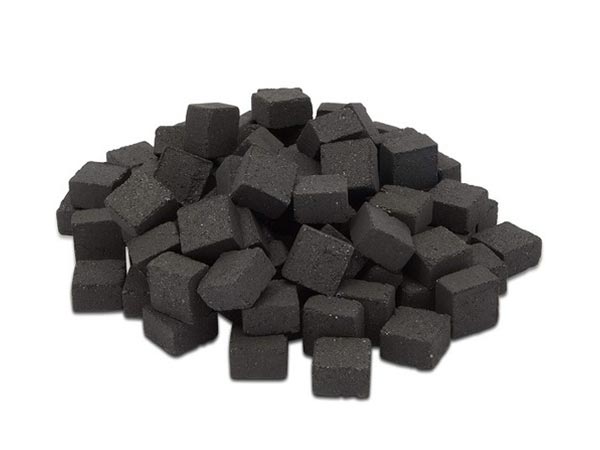
Biochar Blocks

The following are the top 6 tips for selecting the best charcoal making machine suppliers:

1. The Prices of the Supplier

You need to consider the prices of multiple suppliers before making your final decision. You are definitely looking for an affordable supplier. They can save you more money.

Do not, however, choose the cheapest suppliers. They might sell poor-quality machines. So, their machines can cost you more money in the long term. Select an affordable supplier selling high-quality charcoal maker for sale.

2. The Quality of their Machines

It is crucial to check the quality of their charcoal making machines before selecting your supplier. The best suppliers sell high-quality machines. They get their machines from the top manufacturers.

If possible, you can inspect their machines before purchasing them. Purchase high-quality machines. They can last longer. And they are easy and cheap to maintain. So, they can reduce your costs.

3. Contact Your Favorite Manufacturer

If you want to purchase containerized charcoal making machine from your favorite manufacturer, but you cannot find their offices in your country, you can look for suppliers selling their machines in your country.

Contact the manufacturer to ask if they work with suppliers in your country. The manufacturer might send you a list of the suppliers they work with. You can select one of these suppliers.

You can even visit the website of your favorite manufacturer to check the suppliers they work with.

BST-10 Charcoal Making Machine

4. After-Sale Services

Charcoal making machine suppliers provide after-sale services. They can install, repair, and even maintain the machine on behalf of their customers.

So, you have to check the after-sale services provided by the supplier. If the supplier does not provide after-sale services, do not select them. The after-sale services can reduce your costs to boost your profits.

5. Tour their Facilities

You can use the internet to find multiple suppliers in your country. Do not, however, just use the information on their websites to make your final decision. Visit the facilities of multiple local charcoal making machine suppliers.

Tour their facilities to talk to their staff and inspect their machines. Ask them questions about their machines. If their staff is friendly and helpful, you can select them. If they do not have offices, do not select them.

6. Get Recommendations

Last, but not least, one of the easiest ways of selecting the best charcoal making machine suppliers is getting recommendations from people with several years of experience in the industry.

People, with no vested interest, can refer you to the best local suppliers. They had a good experience with these suppliers. They can refer you to the right supplier to save you time and money.

Conclusion

Selecting the best suppliers can help you find the highest-quality charcoal making machines. The best supplier suppliers not only sell top-notch machines. They also have affordable prices and provide after-sale services.

Visit the reliable supplier’s website: https://bestonasia.com/.

Categories: Charcoal Making Machine